Baby monkeys (infant/young monkeys) are highly vulnerable wildlife animals due to their fragile health and their need for specialized care. Wildlife experts and veterinarians often recommend combining Natural Care with Scientific Care to ensure the animals can survive, grow properly, and develop the same natural abilities they would in the wild.
⸻
🟩 1. Natural Care Helps Maintain the Monkey’s Original Behaviors
Baby monkeys need to learn their natural behaviors such as:
• Playing
• Climbing trees
• Foraging for food
• Living in groups
A natural environment helps them respond correctly to their instincts and prepares them to successfully return to the wild after rehabilitation.
⸻
🟩 2. Scientific Care Ensures Health and Disease Prevention
Scientific care is essential for:
• Health check-ups
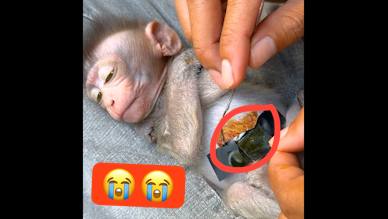
• Treating injuries
• Preventing infections
• Providing proper nutrition
Without the involvement of a wildlife veterinarian, baby monkeys can easily suffer from diseases, infections, or improper development.
⸻
🟩 3. Combining Both Approaches Creates the Best Care System
Integrating Natural Care + Scientific Care helps:
• Improve overall health
• Support proper growth and development
• Encourage natural wild behaviors
• Prepare the animal for successful release back into the wild
This dual-method approach is widely used by Wildlife Rescue Centers and Animal Rehabilitation Centers around the world.
⸻
🟩 4. Improper Care Can Lead to Negative Consequences
If baby monkeys are cared for incorrectly, it can cause:
• Strong dependency on humans
• Loss of natural behaviors
• Difficulty returning to the wild
• Aggressive behavior as they mature
This is why experts strongly encourage the combined “natural + scientific approach.”
⸻
🟩 5. Conclusion
Caring for baby monkeys is not simple. It requires accurate knowledge, patience, and a balance between natural and scientific methods to ensure the animal stays healthy, comfortable, and able to grow into a true wild monkey once again.