Understanding Safe Wound Care for Baby Monkeys
Treating wounds on baby monkeys requires a high level of attention, as their skin and immune systems are far more delicate than those of adult animals. Understanding proper, veterinarian-approved treatment steps helps reduce the risk of infection and promotes quicker, healthier healing.
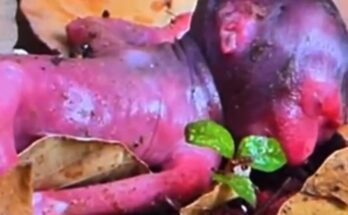
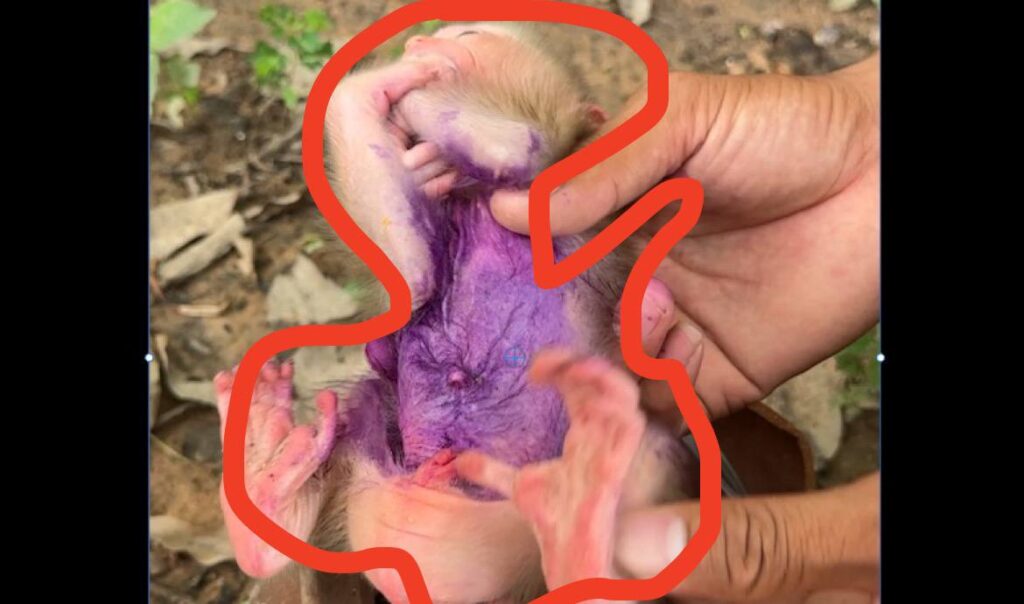
The first step is to assess the type of wound—whether it is minor, deep, or accompanied by heavy bleeding. For mild injuries, the area can be gently cleaned with clean water or lukewarm water, along with a mild antiseptic solution such as diluted antibacterial soap. After cleaning, gentian violet (purple antiseptic) may be applied to help prevent fungal and bacterial infections. However, it should be used sparingly and avoided on large open wounds or areas close to the eyes, mouth, and ears.
For deeper wounds or those showing warning signs—such as discharge, strong odor, intense redness, swelling, or severe pain—professional veterinary attention is required. In many cases, baby monkeys may need antibiotics or anti-inflammatory medications. Attempting to treat severe injuries without veterinary knowledge can be dangerous and may worsen the condition.
Beyond medication and cleaning, additional care is equally important. Baby monkeys should be kept in a warm, clean, and protected environment, away from animals or activities that could irritate or reopen the wound. Providing proper nutrition, such as adequate milk and essential vitamins, strengthens the immune system and supports faster recovery. Daily monitoring is crucial to identify changes such as increased inflammation or new signs of infection.
Although basic first aid can be done at home, consulting a qualified veterinarian whenever concerns arise is the safest approach. With proper care and accurate knowledge, injured baby monkeys can heal more quickly and continue to grow in good health.